
LGBTQ people can experience many of the same difficult events as anyone else, but some may also encounter additional sources of stress connected to discrimination, social rejection, bullying, family conflict, harassment or violence. These experiences do not mean that being LGBTQ is itself a cause of trauma or mental health difficulties. Rather, repeated exposure to prejudice, exclusion and unsafe environments can create circumstances in which psychological distress becomes more likely. The impact can vary significantly from one individual to another, depending on personal circumstances, social support, financial security, family relationships and access to appropriate services. Some people develop lasting emotional effects after a single traumatic experience, while others may cope successfully despite facing considerable adversity.
The Impact of Discrimination and Social Stigma
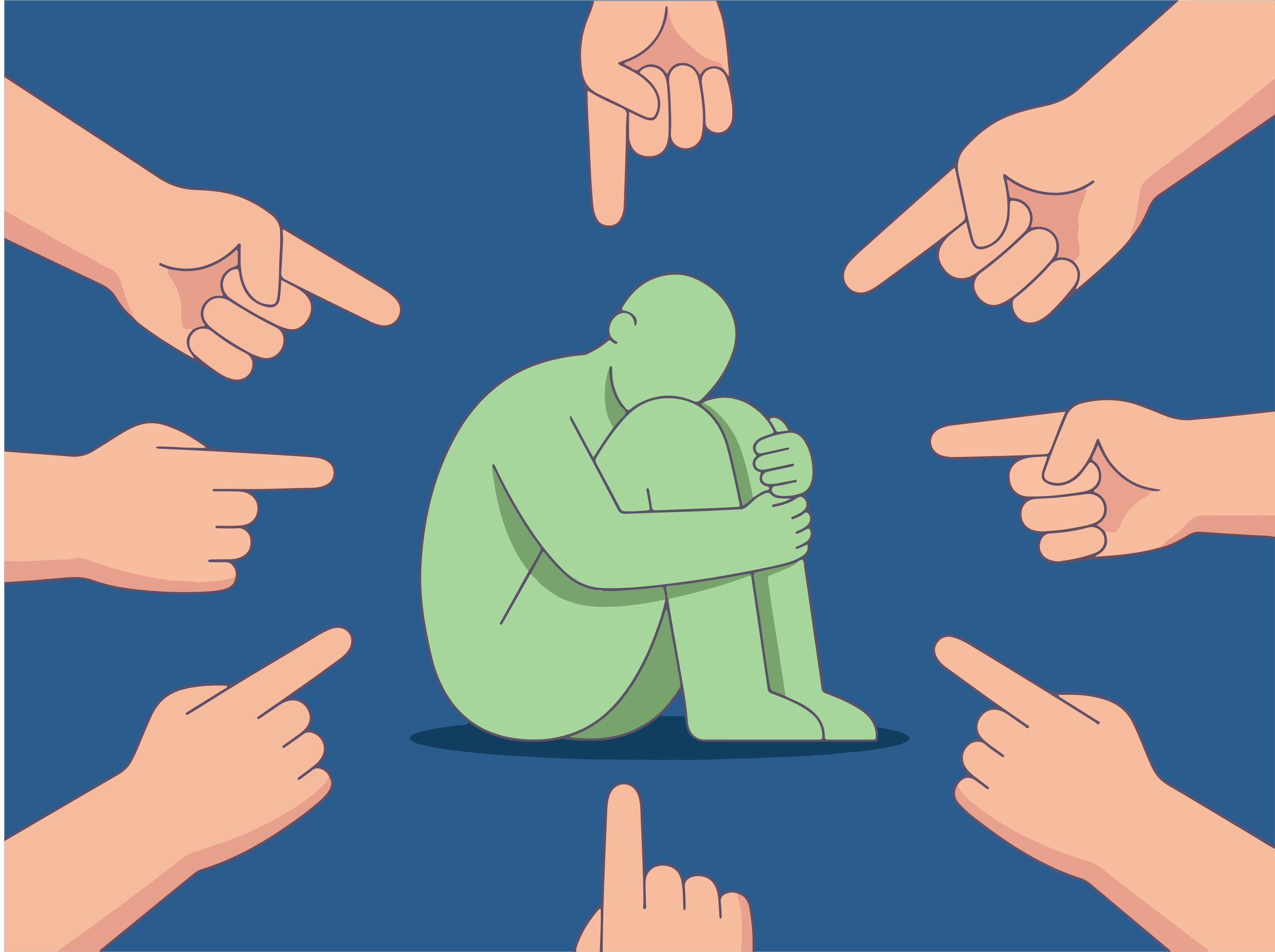
Discrimination can have a significant effect on a person’s sense of safety and wellbeing, particularly when it occurs repeatedly or across different areas of life. An individual may encounter prejudice at school, at work, in housing, within healthcare settings, or in their wider community, especially if dealing with addiction as well. Even when discrimination does not result in an immediately traumatic event, the expectation that another negative experience might occur can create ongoing stress. Some LGBTQ people may feel the need to conceal aspects of their identity in environments where they do not feel accepted, which can contribute to emotional exhaustion and isolation.
Traumatic Experiences and Their Long-Term Effects
Trauma can result from many different experiences, including physical or sexual violence, serious accidents, abuse, threats, harassment, and other events that overwhelm a person’s ability to cope. LGBTQ individuals may face some forms of violence or harassment specifically because of their perceived or actual sexual orientation or gender identity. The psychological consequences of trauma can vary widely. Some people may experience problems with self-image, disturbed sleep, intrusive memories, difficulties concentrating, or changes in their relationships and behavior. Others may appear to function normally while privately struggling with emotional consequences that are not immediately visible to people around them.
Accessible and Appropriate Mental Health Care
Access to respectful and effective mental healthcare can play an important role in helping people recover from traumatic experiences. Depending on the individual’s needs, support may involve psychotherapy, trauma-focused approaches, medication prescribed by an appropriately qualified clinician, peer support, or a combination of different resources. In complex cases involving legal proceedings, questions about psychological functioning, or assessments related to criminal or civil matters, specialist expertise may also be required. An experienced forensic psychiatrist, for instance, can provide psychiatric expertise in contexts where mental health intersects with the legal system. Such professionals have a distinct role from therapists providing routine emotional support, and the appropriate type of specialist will depend on the circumstances.
Building Resilience Through Supportive Communities
Although discussions about trauma often focus on risk and vulnerability, resilience is equally important. Many LGBTQ individuals develop strong coping skills and maintain fulfilling lives despite encountering discrimination or other difficult circumstances. Positive relationships can play a particularly important role in this process. Friends, family members, partners, colleagues, and community groups can provide emotional support and reassurance when someone is experiencing stress. Community connections can also reduce isolation by giving people opportunities to meet others who understand aspects of their experiences. For young people, supportive adults can make an especially valuable difference by providing a safe environment where they can express themselves without fear of rejection.
Reducing Trauma Through Acceptance and Prevention
Addressing trauma requires more than responding after an individual has already experienced harm. Prevention and social acceptance can reduce exposure to some of the circumstances that contribute to psychological distress. Schools and workplaces can establish clear policies against bullying, harassment, and discrimination, while families can provide acceptance and open communication. Healthcare providers can create environments in which patients feel comfortable discussing their concerns without fear of judgement. Communities can also contribute by challenging stereotypes and promoting respectful treatment of people with different identities and backgrounds.
Ultimately, the most effective response to trauma is one that combines compassion, evidence-based care, social support and respect for individual differences. By addressing both the experiences that contribute to distress and the resources that help people recover, communities can create conditions in which LGBTQ individuals have greater opportunities to live healthy, secure and fulfilling lives.