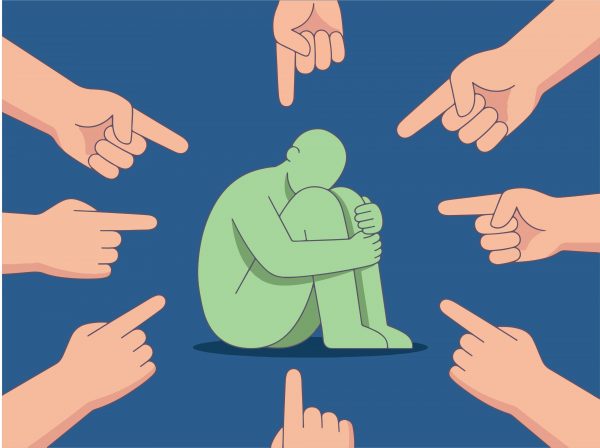


LGBTQ+ adults juggling work, family, dating, and community life often carry a background load that others don’t see. Between shifting laws, social backlash, safety concerns, and the everyday fatigue of being questioned or judged, the nervous system can stay on high alert even on “normal” days. That’s why LGBTQ+ mental resilience matters right now: not as a personality trait, but as a future-proofing mindset that steadies emotions when the world feels unpredictable. With the right foundation, emotional resilience in uncertain times becomes something the LGBTQ+ community can build on purpose.
Understanding Mental Flexibility for LGBTQ+ Resilience
Mental flexibility is the skill of staying open to change, moving with your feelings instead of fighting them, and holding hope without denying reality. It is less about “staying positive” and more about choosing a steadier response when life shifts fast. The work of emotional agility draws from real-world practice like Stephen Buehler has over 30 years of experience supporting people in high-pressure settings.
This matters because uncertainty can trigger old alarms, especially when your identity is treated like a debate. Flexibility helps you recover faster after a tough comment, a scary headline, or a tense family moment. It also protects your energy so you can keep showing up for work, love, and community.
Think of it like driving in bad weather. You cannot control the storm, but you can slow down, adjust your grip, and keep your eyes on what is true. You notice fear, make room for it, and still choose your next best step.
Try a Low‑Stakes Creativity Challenge to Practice Adaptability
Mental flexibility gets easier when you give your brain safe places to practice adjusting and trying again. One surprisingly gentle way to do that is staying open to new forms of creativity and technology, especially when the world feels like it’s changing faster than you can keep up. AI-powered image generation tools, for example, can turn a few written ideas into visual concepts, which makes creative experimentation feel more accessible even if you don’t have an artistic background or technical confidence. If you’re curious, you might want to learn more about how these tools work, then treat your first attempts like play rather than a performance.
The point isn’t to “get it right.” It’s to spend a few minutes exploring something unfamiliar in a low-pressure way, testing a prompt, tweaking a word, seeing what changes, so your nervous system learns that new doesn’t automatically mean unsafe. Over time, these small experiments can quietly build confidence, curiosity, and adaptability, because you’re repeatedly practicing the skill of learning as you go.
Daily Resilience Habits for Uncertain Times
Habits work because they make resilience less like a personality trait and more like a practice you can repeat. For LGBTQ+ folks navigating uncertainty, small routines can create steadiness, protect energy, and keep you connected to what supports you.
Ten-Minute Mindfulness Sit
- What it is: Try a 10 to 20 minute pause since many practitioners meditate daily.
- How often: Daily
- Why it helps: It trains you to notice stress early and respond with more choice.
Two-Sentence Check-In
- What it is: Write two sentences: what I feel, and what I need.
- How often: Daily
- Why it helps: Naming needs reduces spiraling and makes next steps clearer.
Curiosity Swap
- What it is: Replace one worry-thought with one “What can I test today?” question.
- How often: Daily
- Why it helps: It shifts your brain from threat scanning to problem solving.
Relationship Micro-Reach
- What it is: Send one honest text to a safe person who gets you.
- How often: 3 times weekly
- Why it helps: Consistent contact buffers isolation and builds emotional safety.
Lifelong Learning Date
- What it is: Pick one class, talk, or academic interests topic to explore.
- How often: Weekly
- Why it helps: Learning expands identity beyond stress and renews hope.
Mental Resilience Q&A for Uncertain Times
Q: What if my fear is real and not “overthinking”?
A: You do not have to argue with fear to move forward. Treat it like a signal: name what feels at risk, then choose one small protective action you can take today. Progress can look like making a plan, setting a boundary, or asking for support.
Q: How do I practice emotional agility without forcing positivity?
A: Think of emotional agility as making room for feelings while still choosing wise actions. Try this: “I am noticing anxiety,” then ask, “What matters to me in the next hour?” You are not denying reality, you are steering gently.
Q: Why do I feel ashamed that I am struggling right now?
A: Shame often shows up when stress is high, especially if you have had to be “strong” for a long time. You are not broken, you are responding to pressure, and many LGBTQ+ people carry extra load. If it helps to normalize your experience, LGBTQ+ youth are twice as likely to report persistent sadness, which reflects how heavy the climate can feel.
Q: When should I reach out for professional or crisis support?
A: Reach out sooner than you think, especially if sleep, appetite, work, or safety feels shaky. If you feel at risk of harming yourself, contact local emergency services or a crisis line right away. Some communities offer specialized support like calling the 24/7 hotline through DASH for urgent help.
Q: Can small routines really help when the world feels unstable?
A: Yes, because consistency teaches your nervous system what “safe enough” feels like. Pick one tiny action you can complete even on rough days, like two minutes of breathing or one message to a supportive person. The goal is reliability, not perfection.
Small, Steady Resilience Practices for LGBTQ+ Mental Health
Uncertainty can squeeze the nervous system, and for LGBTQ+ folks it can also stir up old vigilance and the fear of handling it alone. The steadier path is a mindset of reflective mental growth, pairing future-proofing strategies with ongoing resilience building and letting supportive community encouragement carry some of the weight. With practice, stress becomes more nameable, choices feel less urgent, and tough moments stop defining the whole story. Resilience isn’t a trait you either have or lack, it’s a practice you return to.