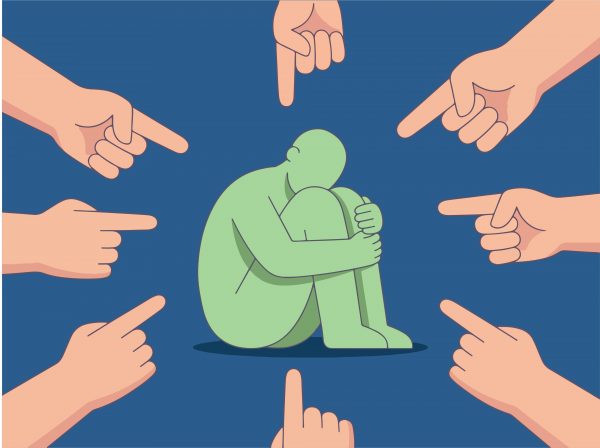

For LGBTQ+ folks juggling visibility, safety, work, and community care, burnout can show up as numbness, irritability, and a constant sense of running on empty. Whimsy maxxing is a simple idea for LGBTQ+ well-being: treating childlike joy and deliberate playfulness as legitimate mental health strategies, especially when perfectionism and pressure make rest feel impossible. The core tension is real, forced positivity can feel fake, yet going without joy can make burnout management harder and life feel smaller. Whimsy maxxing starts with permission, not performance.
How Play Helps Your Brain and Body Reset
When burnout dulls everything, play is not a distraction, it is a reset signal. It pairs tiny moments of novelty and pleasure with stress skills, so your body can shift out of alarm and back toward steady. That matters because nervous system regulation is your ability to respond to stress and then return to balance afterward.
This is where resilience gets built in real life. Resilience refers to a person’s innate ability to successfully cope with change or adversity, and playful joy can give you repeatable reps when motivation is low. It also gently reactivates your reward system, so “I can do one small thing” starts to feel true again.
Picture a rough afternoon where every task feels heavy. You set a two minute timer, doodle something silly, and add one slow breath between strokes. Your shoulders drop, your mind unknots, and the next step stops feeling impossible. That same low-stakes curiosity can guide a playful AI portrait experiment, with zero pressure to get it right.
Try a 10-Minute Imagination Portrait to Practice Gentle Self-Expression
Once you know play helps your nervous system downshift, it gets easier to choose a tiny, low-stakes joy practice that feels more like curiosity than effort. One surprisingly sweet way to whimsy maxx is making AI art, especially an “imagination portrait.” The point isn’t to produce something impressive; it’s to give your brain permission to explore.
You can treat it like a gentle self-expression experiment: What would I look like as a moonlit sea captain? A soft-focus disco angel? A forest librarian with glitter freckles? Fantastical visuals like these can spark little jolts of joy and wonder.
If you’re drawn to the idea, tools like this free portrait generator can turn either your own photos or a simple text description into a realistic or stylized digital portrait. You can also tweak details like lighting, camera angle, and artistic effects until it matches your vibe, dramatic, dreamy, cartoonish, or utterly surreal.
Daily Whimsy Habits to Ease Burnout
Small, repeatable play cues teach your body that relief is allowed, even on heavy days. Over time, these habits make it easier for LGBTQ+ folks and allies alike to interrupt stress spirals with low-pressure delight.
Two-Minute Sillies Reset
- What it is: Make a ridiculous face, sound, or dance for two minutes.
- How often: Daily, especially after stressful messages.
- Why it helps: Quick laughter can loosen tension and shift your mood.
Joyful Movement Playlist
- What it is: Do playful movement to one favorite song, no performance required.
- How often: Three times weekly.
- Why it helps: Hitting 150 minutes of exercise per week supports health and stress resilience.
Pocket-Size Wonder Hunt
- What it is: Photograph three tiny delightful things like colors, textures, or shadows.
- How often: Daily during a commute or walk.
- Why it helps: It trains attention toward safety cues, not only threat cues.
Weekly “Yes” Hour
- What it is: Schedule one hour for crafts, games, or playful flirting with ideas.
- How often: Weekly.
- Why it helps: Protected fun time prevents burnout from becoming your default.
Burnout-Friendly Joy: Questions People Ask
Q: What if whimsy maxxing feels childish or not serious enough?
A: Play is a nervous-system skill, not a maturity test. Brief silliness can create a state change that helps you think more clearly and respond less reactively. If it helps, treat it like training your brain, since neuronal plasticity means repeated experiences can shape new patterns.
Q: How can I do playful coping when I don’t feel safe being visibly queer?
A: Choose private, low-profile options: a texture you like in your pocket, a tiny doodle, or a silent “inside joke” photo on your phone. The goal is relief, not visibility. Keep it discreet and designed for your real environment.
Q: Can play help with dysphoria, or will it make me notice my body more?
A: It can help if you pick body-neutral play. Try hands-only activities like fidgeting, crafting, or arranging colors, and stop if a practice spikes discomfort. You’re allowed to tailor joy so it supports you instead of challenging you.
Q: When does burnout need professional support instead of self-care?
A: If you’re feeling hopeless, stuck, or having thoughts of self-harm, reach out for help immediately. The reality that 39% of LGBTQ+ young people seriously considered attempting suicide underscores that you deserve real support, not just coping hacks. You can use playful tools alongside therapy, crisis lines, or trusted community care.
Q: Should I push through and “fake it” if I’m numb or exhausted?
A: No pushing required. Try a 30-second micro-action, like looking at one comforting color or holding something soft, and notice any tiny shift. If nothing changes, that is data, not failure, so rest or seek support.
Turn Playful Joy Into a Burnout-Proof LGBTQ+ Wellness Anchor
Burnout can make even the basics feel heavy, and for LGBTQ+ folks that weight often comes with extra layers of vigilance, dysphoria, or social stress. That’s why the point isn’t to “fix yourself,” but to practice whimsy maxxing benefits through embracing joy practices, an attitude of gentle, playful self-care motivation that treats delight as a real need. Over time, this becomes mental health empowerment: steadier regulation, more capacity, and a clearer sense that you’re allowed to feel good without earning it. Joy is not a reward for coping, it’s a resource for coping.