
Discussions around intimacy, identity, and self-expression have evolved significantly in recent decades, particularly within the LGBTQ+ community. As conversations about sexuality become more open and inclusive, products that were once considered taboo are increasingly examined through social, emotional, and cultural lenses. One such topic is the use of sex dolls. Rather than being viewed solely as adult novelties, sex dolls are now part of broader discussions about companionship, autonomy, and representation for people whose needs may not always be reflected in mainstream narratives.
Representation, Identity, and Personal Agency
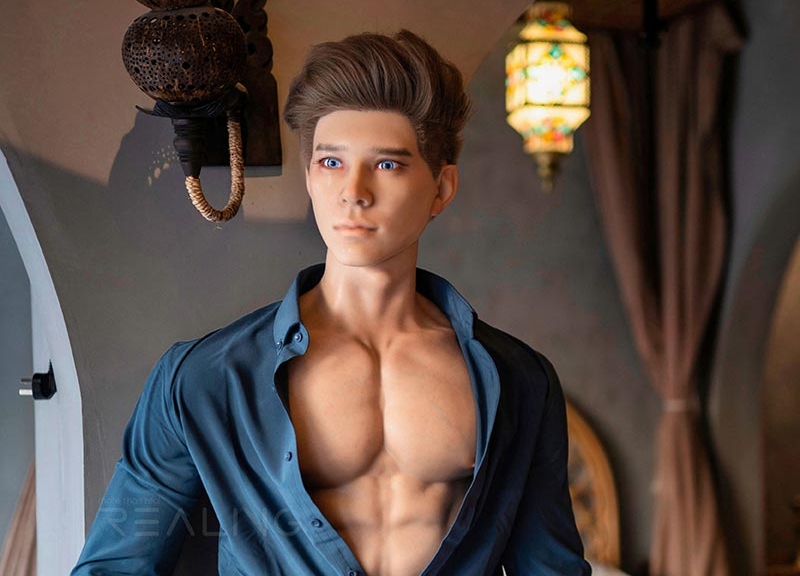
For many individuals within the LGBTQ+ community, representation matters deeply. Traditional media and consumer products have historically centered on heterosexual relationships, leaving little room for diverse identities and expressions. In this context, sex dolls can be understood as customizable objects that allow individuals to explore aspects of identity in a private and controlled way. This can be especially relevant for people who are questioning their gender identity, navigating dysphoria, or simply seeking forms of expression that align more closely with who they are.
Customization options offered by modern manufacturers make it possible to move beyond rigid norms. Some companies, including brands like YourDoll, emphasize inclusivity by offering a wide range of body types, gender expressions, and aesthetic choices. While these products are not a replacement for human connection, they can provide a sense of visibility and agency for users who may feel marginalized or misunderstood.
Emotional Comfort and Alternative Forms of Companionship
Another angle often discussed is the emotional aspect of sex dolls. Within the LGBTQ+ community, experiences such as social isolation, discrimination, or limited access to safe dating spaces can shape how individuals seek comfort. For some, a sex doll may function less as a sexual object and more as a source of emotional reassurance or stability. This is particularly relevant for individuals who are asexual, aromantic, disabled, or recovering from negative interpersonal experiences.
It is important to note that these uses vary widely from person to person. Sociologists and psychologists increasingly stress that there is no single “correct” way to seek comfort or connection, as long as it does not harm oneself or others. In that sense, sex dolls can be seen as part of a broader spectrum of tools people use to understand themselves and manage loneliness in a complex social environment.
Ethical Considerations and Social Perception
Despite growing acceptance, sex dolls remain a controversial topic. Critics often raise ethical or social concerns, questioning whether such products encourage withdrawal from real relationships. Within LGBTQ+ spaces, these debates are often more nuanced. Many advocates argue that autonomy and consent are central values, and that personal choices around intimacy should be respected.
When discussing purchasing sex dolls, conversations frequently focus on ethical production, realistic expectations, and mental well-being rather than explicit use. The emphasis is increasingly on informed decision-making and understanding personal motivations, rather than secrecy or shame. This shift mirrors broader changes within LGBTQ+ advocacy, where openness and self-reflection are encouraged.
Conclusion
Sex dolls occupy a complex and evolving position within the LGBTQ+ community. They intersect with issues of representation, emotional health, and personal freedom, reflecting the diverse ways people experience intimacy and identity. While not suitable or appealing to everyone, they can offer meaningful value to some when approached thoughtfully. As society continues to broaden its understanding of relationships and self-expression, discussions around sex dolls are likely to become more balanced, focusing less on stigma and more on empathy, choice, and inclusion.