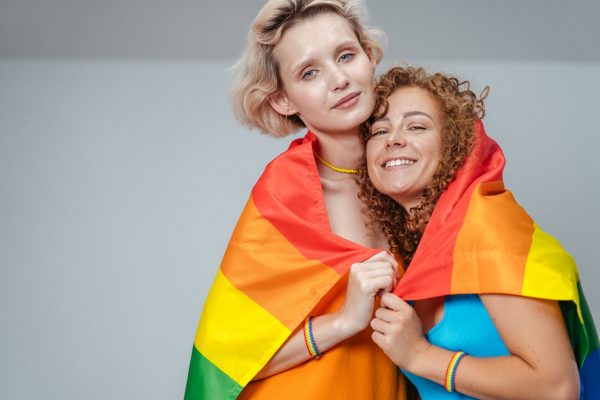


Something fundamental has shifted in the relationship between brands and consumers. Authenticity — once a buzzword — has become a genuine currency, and few communities have leveraged it more powerfully than LGBTQ+ content creators. Across platforms like TikTok, Instagram, and YouTube, queer influencers are not just building audiences; they are building trust at a scale that legacy advertising simply cannot replicate.
The Trillion-Dollar Community
The economic footprint of the LGBTQ+ community is staggering. Estimates place the combined purchasing power of LGBTQ+ consumers in the United States alone at over $1.4 trillion annually. Yet for decades, this demographic was either ignored or addressed with performative gestures. A rainbow logo in June does not constitute a relationship. Today’s LGBTQ+ influencers have changed that equation entirely, cultivating spaces where their followers feel genuinely seen — and brands that show up sincerely in those spaces reap measurable rewards.
Why Queer Influence Converts
The mechanics of this influence are distinct. Research consistently shows that LGBTQ+ audiences exhibit higher-than-average engagement rates and remarkable brand loyalty when they feel a creator’s endorsement is rooted in real experience rather than a paid transaction. A beauty influencer who comes out as non-binary while reviewing skincare isn’t just selling a moisturizer — they are inviting their audience into a lived reality. That intimacy converts. This is precisely why working with a specialist influencer marketing agency that understands the nuances of LGBTQ+ creator communities has become a strategic priority for forward-thinking brands rather than an afterthought.
Unexpected Industries Take Notice
Categories once considered unlikely territory for queer-led campaigns — financial services, automotive, home improvement, sports apparel — are now among the most active investors in LGBTQ+ creator partnerships. The reasoning is straightforward: representation drives relatability, and relatability drives revenue. When Chase Bank or Subaru runs a campaign featuring queer creators speaking naturally about their financial habits or family road trips, it signals inclusion at the product level, not just the marketing level.
Creators Raising the Bar
The creators themselves have also grown increasingly sophisticated about how they partner. Today’s top LGBTQ+ influencers negotiate for creative control, long-term ambassadorships over one-off posts, and alignment with brands whose internal cultures and policies actually reflect their values. They are, in effect, holding brands accountable from the inside of the campaign. Followers notice when a sponsored post feels forced, and they notice just as readily when it feels earned.
The Micro-Influencer Advantage
Micro-influencers within the LGBTQ+ space deserve particular attention. An account with 30,000 deeply engaged followers in the transgender community or among queer people of color often delivers superior ROI compared to a broader lifestyle account with ten times the following. These creators serve specific, underrepresented audiences who have historically had few mirrors held up to them in mainstream media. Their trust is hard-won and highly transferable to the right product at the right moment.
The Danger of Rainbow-Washing
The landscape is not without tension. Audiences are quick to call out rainbow-washing — the seasonal deployment of LGBTQ+ imagery without substantive commitment — and the backlash can be swift and lasting. Brands that enter this space without genuine investment in queer communities risk more than a bad campaign; they risk a documented record of inauthenticity that follows them long after Pride Month ends.
Building Relationships, Not Transactions
What the most successful partnerships share is a long view. They are built on relationships, not transactions. LGBTQ+ influencers are not a demographic checkbox to be ticked; they are storytellers with loyal communities who have spent years earning the right to speak credibly about the things they love. The brands wise enough to understand that distinction aren’t just accessing a market segment — they’re joining a conversation that was already happening without them.