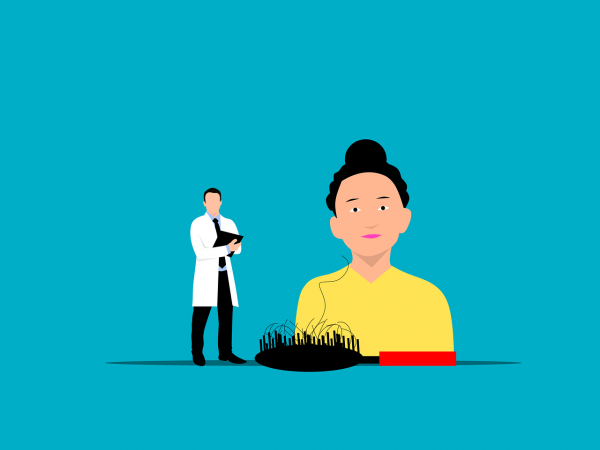


Staying healthy entails not only symptom management but also accessing affirming health services, supportive networks, and tools for maintaining well-being. Queer women may face many difficulties, such as discrimination, invisibility in society, and a lack of knowledge about healthcare. All these aspects have an impact on mental and physical well-being. The next five points describe how queer women can improve their health in effective and meaningful ways, whether they’re trying to age with pride or simply improve their daily habits.
Healthy Lifestyle Adjustments That Support Long-Term Wellness
Many times, small and persistent habits end up making the biggest impact on our health. Queer women should consider adopting a more sustainable routine and abandoning the idea of following a strict regimen. Having sufficient sleep, proper nutrition, exercise, and stress management can help with energy levels, mood, and heart health. Walking, biking, swimming, yoga, and other workouts not only promote physical fitness but also enhance psychological well-being. There is no need to make nutrition overly complicated – one should focus on eating whole foods, fruits and vegetables, lean proteins, good fats, and drinking plenty of water. Another aspect to address is lowering chronic stress through meditation, engaging in a creative pursuit, being outside, or spending time with people you love.
Resolving Body Image Issues Through Self-Compassion
Body image issues can impact queer women in different ways. While some individuals might struggle with the need to meet certain beauty standards, other individuals can be caught up in the tension between body appearance and their own gender expression. Social media only adds fuel to this fire by perpetuating certain ideals about beauty and success. To address these problems, it is essential to change the focus from body appearance to functionality, strength, health, and comfort of the body. Avoiding excessive comparison, adjusting social media feed, joyous exercise, and positive internal dialogue can slowly help eliminate negative self-talk. Additionally, therapy can prove helpful in cases where poor body image is contributing to anxiety, depression, eating disorders, or social isolation.
Specialized Care for Women’s Health Conditions
However, several health issues affect women more frequently than men and might need a specific type of treatment. This list of conditions includes endometriosis, polycystic ovarian syndrome, pelvic floor disorders, symptoms associated with menopause, and lipedema. Access to specialists is essential for improving one’s well-being. Canadian clinics have started to pay more attention to the provision of women’s health services, which involve medical assessment, imaging, physical therapy, nutrition advice, and surgery. People suffering from lipedema will find early detection beneficial for their health. Some patients seek clinics that can successfully treat lipedema in Toronto and achieve better function, comfort, and confidence through multidisciplinary treatment approaches. Specialized care is most effective when providers consider both physical symptoms and the broader emotional impact of chronic conditions.
Building an Affirming Healthcare Network
An extremely crucial step towards maintaining good health is identifying healthcare professionals who have experience dealing with the needs of queers. Numerous studies demonstrate that people are willing to engage in preventative medicine, share their problems, and adhere to treatment if they feel respected and valued. The affirming network includes primary care doctors, gynecologists, psychiatrists, nutritionists, and community groups. It goes without saying that routine examinations, vaccinations, and reproductive check-ups are needed regardless of one’s sexual orientation. Moreover, it will make the dialogue with doctors easier regarding sex life, fertility possibilities, hormones, and psychological state.
Strengthening Community and Mental Health Support
Health has a lot to do with belonging. There is a higher chance for queer women who are socially supported to experience improved mental health, less stress, and increased resilience when going through tough times. Forms of community include friendship networks, LGBTQ+ organizations, athletics associations, virtual communities, volunteering opportunities, and chosen families. Such connections offer encouragement, assistance, and a feeling of understanding. Mental health assistance is just as critical as having a strong community of individuals. Counseling services, peer support groups, crisis assistance programs, and culturally informed therapy could be helpful with anxiety, depression, trauma, interpersonal conflicts, and minority stress.
To summarize, enhancing one’s health as a queer woman does not mean achieving perfection. Instead, it means ensuring that an environment is created where safety, dignity, and sustainable well-being thrive. This can be done by following the advice above. Improvements in one’s health start with understanding the need to receive care that acknowledges one’s body and identity.