
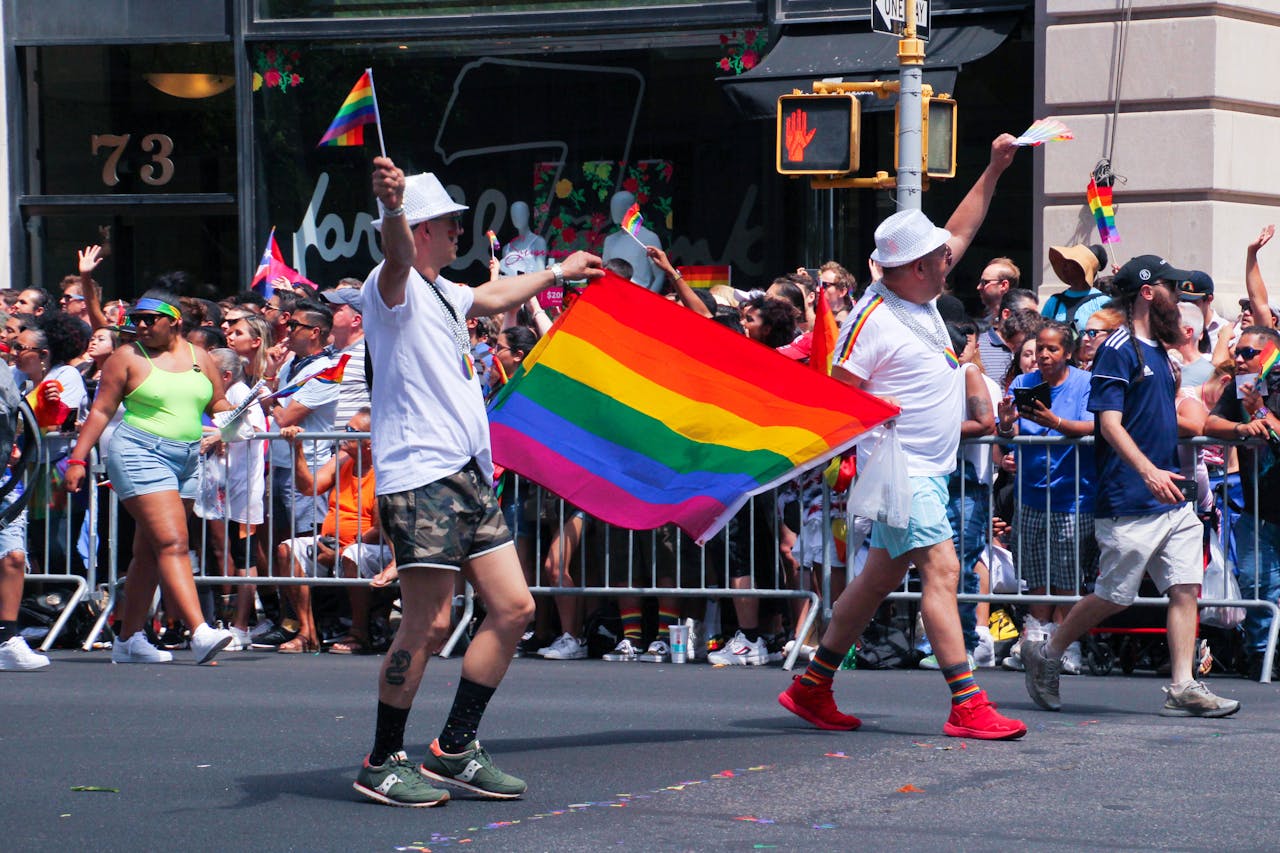
A lot of local events feel the same. You show up, walk around a bit, maybe grab a drink or talk to one or two people—and then you leave. Nothing wrong with it, but nothing really sticks either. LGBTQ+ events tend to land differently. It’s not just the vibe—it’s how they’re set up. They’re usually built around people actually interacting, not just being there. And that changes the whole experience. If you run events as a small business, there’s a pretty useful lesson in that.
It’s not about attendance—it’s about participation
Most events are built like something to watch. There’s a schedule, maybe a speaker, maybe some booths. But a lot of LGBTQ+ events lean more into: how do we get people involved right away? That might be something simple like a shared activity, or something more intentional like spaces where people can contribute, write something, or jump into a conversation. The point is—people aren’t just standing around deciding whether to engage. They’re already in it. And once that happens, everything else gets easier. People stay longer. They talk more. They remember it.
The small details actually matter
This is one that’s easy to overlook. A lot of these events include small physical elements that tie into what’s happening—not just random giveaways, but things people actually use during the event. It doesn’t have to be complicated. Even something like a custom koozie can work if it’s part of the experience—something people are using, sharing, or recognizing throughout the event. It sounds minor, but those little shared details tend to stick more than people expect.
They don’t feel like someone else’s event
Another thing you notice pretty quickly: these events don’t feel overly controlled. There’s usually a mix of local groups, artists, volunteers—different people contributing in different ways. It feels more like something built with the community than something put on for them. That matters more than most businesses think. Because when people feel like they have some ownership—even a small piece—they show up differently. They care more. They bring other people. If you’re hosting something, it’s worth asking: who else should be part of this? Not just as attendees, but as contributors.
The experience is thought through—not just the logistics
A lot of event planning stops at logistics. Tables, timing, careful signage, all that. But the better LGBTQ+ events go a step further—they think about how people are actually going to feel when they’re there. Is it obvious what to do when you walk in? Do people feel comfortable jumping into something? Are there natural ways to interact, or is everyone just hovering? You can usually tell within the first five minutes whether an event got this right. And if it’s off, people tend to default to just staying in their own bubble—or leaving early.
People don’t naturally connect—you have to help that along
There’s this assumption that if you get enough people in a room, connections will just happen. They don’t. Good events make it easier. They give people a reason to talk that doesn’t feel forced. Something small—like a shared task or a prompt—goes a long way. LGBTQ+ events are usually pretty good at lowering tchat barrier. You’re not expected to “network,” you’re just… doing something alongside other people. Conversation comes out of that. That’s a much easier entry point.
The event isn’t really the end point
Probably the biggest difference: these events don’t feel like one-offs. They’re usually part of something bigger—ongoing community stuff, planning future events, ways to stay connected. So when people leave, it doesn’t feel like, “well, that’s done.” There’s some continuity. That’s where a lot of local events fall short. They’re fine at the time, but there’s nothing to carry forward. Even a simple follow-up, or a clear “here’s what’s next,” can change that.
If you zoom out…
Most events are designed to get people in the door. The better ones are designed to get people involved once they’re there. That’s really the difference. And it’s something LGBTQ+ events tend to understand at a deeper level—not because they’re trying to be “engaging,” but because they’re built around connection from the start. If you can bring even part of that into your own events, you’ll feel the difference pretty quickly. And so will everyone else.